









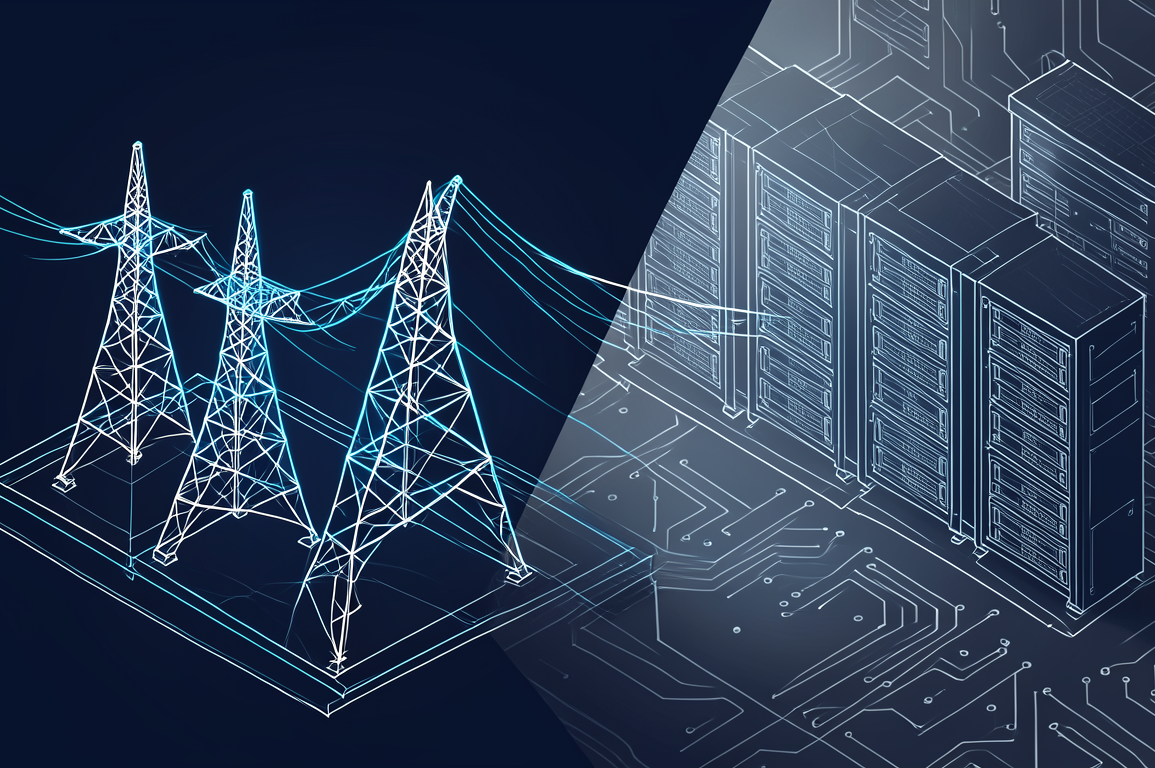

Meta has committed to building 10 new natural gas power plants to supply its Hyperion data centre, according to TechCrunch AI, marking one of the largest corporate fossil fuel infrastructure investments in recent years as artificial intelligence workloads drive unprecedented energy demands.
The social media and AI company’s decision to construct dedicated gas-fired generation represents a significant departure from the tech industry’s renewable energy pledges and underscores the immediate power requirements of training and deploying large language models at scale.
The Hyperion facility, which will house Meta’s next-generation AI training infrastructure, requires baseload power that current renewable sources cannot reliably provide at the necessary scale, according to the report. Natural gas offers the combination of high capacity and dispatchability that Meta’s engineers have determined necessary for continuous AI operations.
This infrastructure commitment arrives as major technology firms face mounting pressure to reconcile artificial intelligence ambitions with climate commitments. Meta’s approach contrasts sharply with competitors pursuing nuclear power agreements or waiting for grid improvements, instead opting for direct control over generation capacity.
Business Impact
The move positions Meta to secure power independence for AI development whilst competitors remain constrained by grid availability. Companies manufacturing gas turbines and power generation equipment stand to benefit from what could become an industry template for AI infrastructure development.
However, Meta faces reputational risk with investors and stakeholders focused on environmental, social, and governance metrics. The company’s sustainability reports have previously emphasised renewable energy procurement, making this fossil fuel expansion a notable reversal that will require careful messaging to institutional investors.
Cloud computing rivals including Microsoft, Google, and Amazon now face strategic decisions about whether to follow Meta’s approach or maintain renewable-focused strategies that may limit near-term AI scaling capacity. The competitive dynamics of AI development may ultimately override climate commitments across the sector.
Energy companies with natural gas assets gain validation for continued fossil fuel infrastructure development, potentially slowing the transition timeline that renewable energy firms have anticipated. This could affect capital allocation across the energy sector for the next decade.
Infrastructure Reality
The scale of Meta’s commitment—10 complete power plants—illustrates the magnitude of energy requirements for frontier AI systems. Modern natural gas combined-cycle plants typically generate between 500 and 1,000 megawatts, suggesting Meta is securing multiple gigawatts of dedicated capacity for a single facility.
For context, TechCrunch AI notes this generating capacity could power a region the size of South Dakota, highlighting how individual AI facilities now rival small state grids in their energy consumption. This comparison underscores the infrastructure challenges facing the AI industry as models grow larger and deployment scales increase.
The construction timeline for natural gas plants typically spans three to five years, indicating Meta is planning for AI infrastructure needs extending well into the next decade. This long-term commitment suggests the company’s internal forecasts show no near-term solution to AI’s energy intensity through efficiency improvements alone.
What to Watch
Regulatory approval processes will determine whether Meta’s approach becomes replicable or faces permitting obstacles that force alternative strategies. Environmental groups are likely to challenge the plants’ construction, potentially creating legal precedents affecting future tech sector energy projects.
Competitor responses in the coming quarters will reveal whether Meta’s move represents an industry inflection point or an outlier strategy. If rivals announce similar fossil fuel commitments, the AI sector’s relationship with climate goals will require fundamental reassessment.
Meta’s natural gas commitment represents the clearest signal yet that current AI architectures cannot scale within existing renewable energy constraints, forcing an uncomfortable choice between technological advancement and environmental objectives that the industry has long claimed were compatible.