


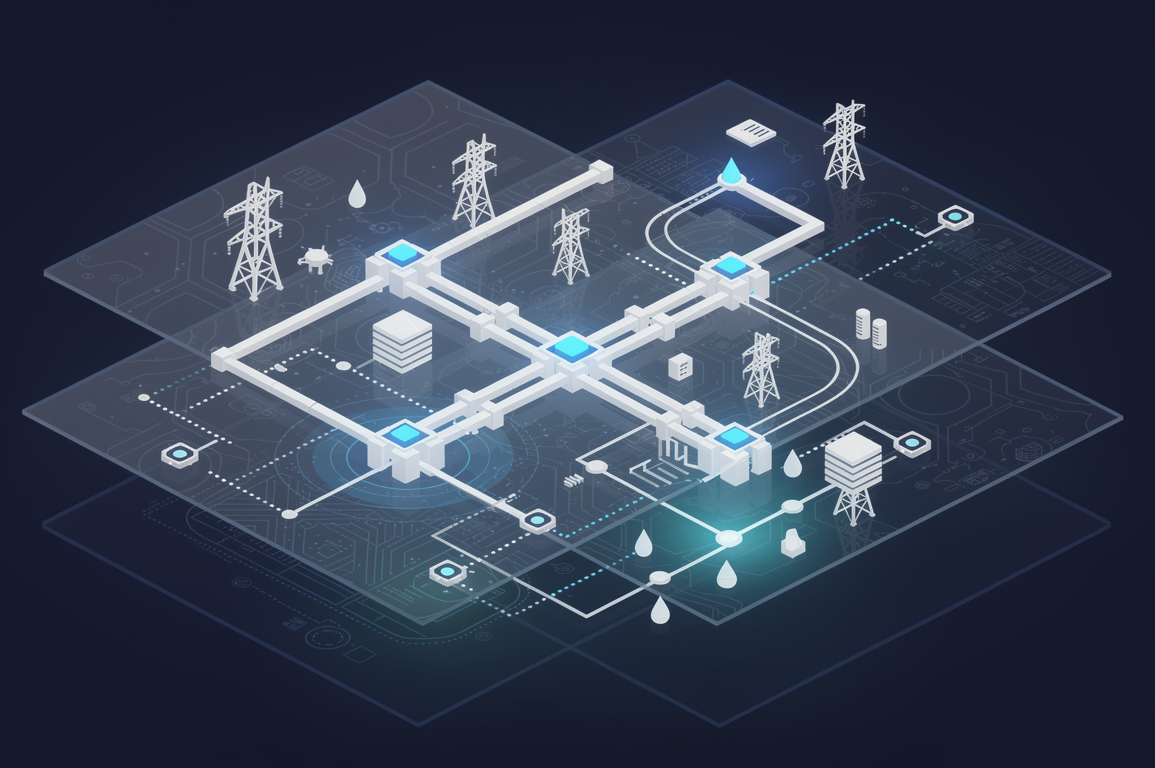

Anthropic has deployed its Claude Mythos model to 150 organisations operating critical infrastructure across more than 15 countries, according to TechCrunch AI, marking one of the largest enterprise AI rollouts in regulated sectors to date.
The expansion places Anthropic’s technology within power grids, water treatment facilities, and healthcare networks—environments where system failures carry immediate physical consequences. The deployment represents a significant escalation in enterprise AI adoption beyond the document processing and customer service applications that have dominated commercial use cases.
Claude Mythos, Anthropic’s enterprise-focused variant, has been positioned as infrastructure-grade AI with enhanced reliability features and compliance frameworks tailored to regulated industries. The model’s architecture reportedly includes safeguards designed for environments where errors can cascade into operational failures affecting public services.
The timing coincides with intensifying competition among frontier AI labs for enterprise contracts. OpenAI has pursued similar deployments through its enterprise tier, whilst Google’s Gemini has targeted cloud infrastructure customers. Anthropic’s focus on critical infrastructure suggests a strategic bet on sectors where regulatory compliance and reliability command premium pricing over raw performance metrics.
For enterprise buyers, the deployment provides validation that large language models can meet the operational requirements of mission-critical systems. Chief information officers in regulated industries have historically resisted AI adoption due to concerns about explainability, audit trails, and failure modes. Anthropic’s ability to secure 150 deployments indicates these objections are being addressed through contractual guarantees and technical architecture rather than waiting for perfect solutions.
Infrastructure operators gain potential efficiency improvements in predictive maintenance, operational planning, and regulatory reporting—tasks that consume significant human expertise but follow structured patterns amenable to AI assistance. The business case typically centres on augmenting specialist workforces rather than replacement, given the liability implications of fully autonomous systems in critical infrastructure.
Anthropic benefits from recurring enterprise revenue at higher margins than consumer applications, whilst establishing switching costs through integration with operational technology systems. The company faces execution risk, however, as any high-profile failure in critical infrastructure could trigger regulatory backlash affecting the entire sector.
Competitors face pressure to demonstrate similar deployments or risk ceding the enterprise infrastructure market. Microsoft-backed OpenAI holds advantages through Azure’s existing presence in enterprise IT, whilst Google Cloud’s compliance certifications provide alternative pathways. Anthropic’s independence from major cloud providers may prove advantageous with customers concerned about vendor lock-in, or disadvantageous where integrated cloud services simplify procurement.
The 15-country footprint suggests Anthropic has navigated varying regulatory frameworks for AI in critical infrastructure—a non-trivial achievement given the absence of harmonised international standards. The company has not disclosed which jurisdictions are included, but the scale implies coverage beyond early-adopter markets.
Market observers should monitor whether these deployments translate into disclosed revenue growth in Anthropic’s next funding round, expected later this year. The company raised $7.3 billion in its previous round, with valuation dependent partly on demonstrating enterprise traction beyond pilot programmes.
Regulatory developments warrant attention, particularly whether infrastructure deployments trigger new oversight requirements. The EU’s AI Act classifies critical infrastructure applications as high-risk, imposing conformity assessments and documentation requirements. Similar frameworks are under consideration in other jurisdictions.
The expansion establishes AI as operational technology rather than experimental tooling in sectors that underpin economic function, raising the stakes for both providers and regulators as deployment scales beyond controlled trials.