

AI just doubled heart disease detection and exposed blind spot in modern medicine
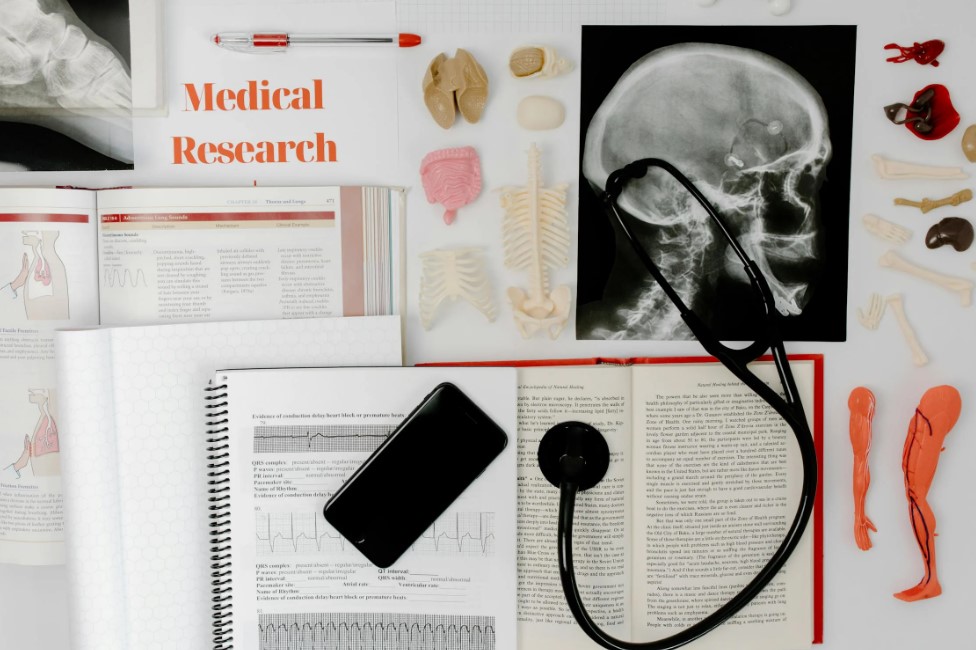
For more than two centuries, the stethoscope has been medicine’s most enduring symbol. Draped around a physician’s neck, it has represented authority, intuition, and the deeply human act of listening. Yet despite its iconic status, the stethoscope has always been imperfect, limited by the acuity of the human ear, the experience of the clinician, and the ambient chaos of real-world healthcare settings.
Now, that emblem of analog medicine is being quietly transformed by artificial intelligence.
A recent peer-reviewed study published in European Heart Journal-Digital Health delivered a striking result: AI-enabled stethoscopes detected clinically significant heart valve disease with 92% accuracy, compared with just 46% using traditional auscultation alone. In other words, the marriage of machine learning and one of medicine’s oldest tools more than doubled diagnostic accuracy for heart murmurs, often the earliest audible sign of potentially life-threatening cardiovascular disease.
This is not just a technical upgrade. It is a cultural inflection point for healthcare, one that raises profound questions about clinical judgment, access to care, cost, trust, and the evolving role of physicians in an age of intelligent machines.
Silent Epidemic Hidden in Plain Sound
Heart valve disease affects tens of millions of people globally, yet it often advances quietly. Unlike heart attacks, it rarely announces itself with dramatic symptoms early on. Instead, it whispers, through subtle changes in blood flow that create faint murmurs, easily missed during rushed examinations or by clinicians without specialized cardiology training.
In the United States alone, studies estimate that millions of cases remain undiagnosed, particularly among older adults. Globally, the diagnostic gap is far wider, especially in low- and middle-income countries where access to echocardiography and specialist care is limited.
Traditional auscultation, the act of listening to heart sounds, depends on variables that are difficult to standardize:
- Clinical experience
- Hearing sensitivity
- Environmental noise
- Patient anatomy
- Time pressure in busy practices
The result is an uncomfortable truth long acknowledged but rarely addressed: the stethoscope has always been as good or as flawed as the human listening through it.
AI Actually Changes at Bedside
AI-powered stethoscopes do not “hear better” in the human sense. They analyze differently.
These devices digitize heart sounds and apply machine-learning models trained on tens of thousands of labeled recordings. Instead of relying on subjective interpretation, the AI evaluates:
- Frequency patterns
- Timing irregularities
- Acoustic signatures associated with known valve pathologies
Within seconds, clinicians receive an objective assessment indicating whether a murmur is likely benign or warrants further investigation.
The European Heart Journal, Digital Health study found that this augmentation:
- More than doubled detection accuracy
- Significantly reduced false negatives
- Performed consistently across experience levels, from junior doctors to seasoned clinicians
This consistency may be the technology’s most disruptive feature. It narrows the gap between expert and non-expert, potentially democratizing early cardiac diagnosis.
Not Replacement, Recalibration
Despite alarmist headlines about machines replacing doctors, the reality unfolding in clinics is far more pragmatic.
AI-enabled stethoscopes do not diagnose disease or prescribe treatment. They triage attention. They help clinicians decide:
- Who needs urgent imaging
- Who can be safely monitored
- Who may have been overlooked
In practice, this reframes the physician’s role from sole interpreter to final arbiter, supported by data rather than displaced by it.
This model mirrors broader trends in healthcare AI:
- Radiology tools flag suspicious scans
- Pathology systems prioritize high-risk samples
- Predictive analytics identify patients at risk of deterioration
The clinician remains accountable, but better informed.
Beyond Cardiology
The implications of AI-augmented auscultation extend far beyond heart disease.
1. Primary Care Under Pressure
Globally, primary care systems are strained by aging populations and workforce shortages. Tools that improve diagnostic accuracy without increasing appointment length offer rare leverage.
2. Rural and Underserved Settings
In regions without cardiologists, AI-powered stethoscopes could serve as a frontline screening tool, enabling earlier referrals and reducing catastrophic late-stage interventions.
3. Cost Containment
Early detection prevents expensive downstream care. Valve replacement surgeries, hospitalizations, and long-term complications carry enormous economic costs that dwarf the price of diagnostic tools.
4. Medical Training
AI introduces a feedback loop for learning. Trainees can compare their interpretations against algorithmic assessments, accelerating skill development rather than eroding it.
Trust, Transparency, and Human Ear
Yet adoption will not be frictionless.
Medicine is not only a science, it is a relationship. Patients trust doctors not just for accuracy, but for reassurance. Introducing AI into such intimate moments raises inevitable concerns:
- How are decisions made?
- Who is accountable if the AI is wrong?
- Can algorithms trained on limited datasets generalize across populations?
These questions are not peripheral. They go to the heart of clinical ethics.
Regulatory bodies and hospital systems will need to ensure:
- Transparent validation
- Ongoing performance monitoring
- Clear communication with patients
Importantly, early evidence suggests patients are often more comfortable with AI when it is framed as a support tool rather than a replacement, a distinction clinicians must articulate clearly.
Pattern Repeating Across Medicine
The stethoscope’s AI transformation is not an anomaly. It is part of a broader pattern reshaping healthcare:
- Imaging diagnostics augmented by deep learning
- Wearables predicting arrhythmias before symptoms
- Digital twins modeling disease progression
- Autonomous systems optimizing hospital workflows
What makes the stethoscope different is symbolism. This is not a hidden backend system. It is the most visible artifact of care, now quietly infused with computation.
Risk of Standing Still
Ironically, the greatest risk may not lie in adopting AI-powered tools, but in refusing them.
When evidence shows a clear improvement in detection, clinicians and institutions face a moral dilemma. If a tool can double diagnostic accuracy, does ignoring it become a form of negligence?
History suggests medicine eventually answers such questions decisively. Handwashing, antiseptics, imaging, and antibiotics all faced skepticism before becoming standard. AI-assisted listening may soon follow the same path.
Listening, Reimagined
Two centuries ago, René Laennec rolled a piece of paper into a tube to listen to a patient’s chest, inventing the stethoscope out of necessity and curiosity. Today’s AI-powered successors arise from the same impulse: to hear what the human ear alone cannot.
The future of medicine will not belong to machines or humans alone. It will belong to systems that listen better, decide more wisely, and intervene earlier.
In that sense, the stethoscope has not lost its soul. It has simply learned a new language.
