


Connectivity, ethics, and personal freedom collide in a year of profound technological change
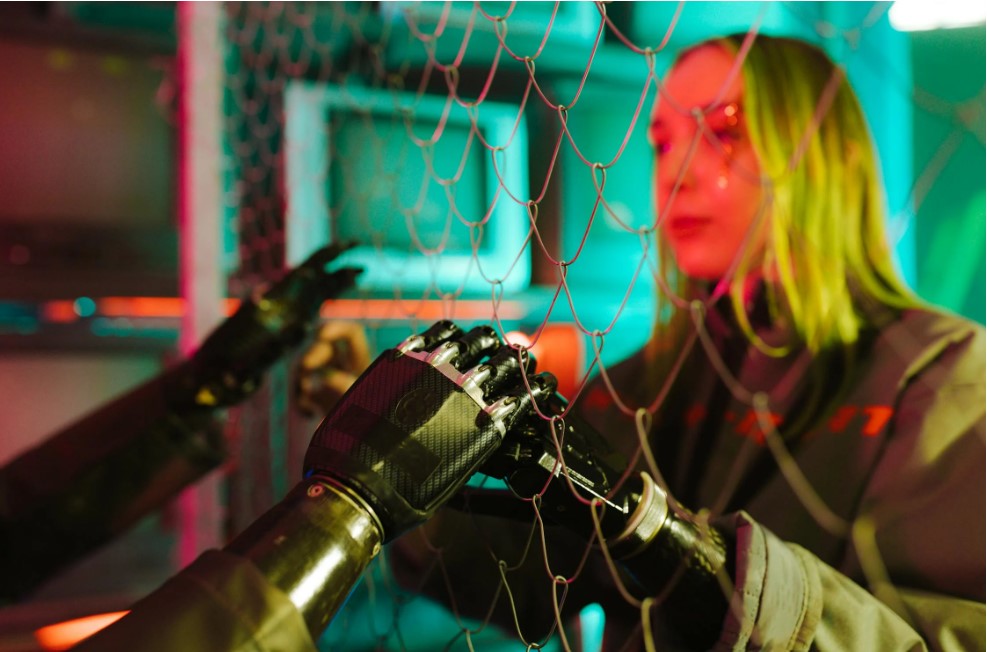
A Turning Point in Human Experience
If the 2020s were defined by acceleration, 2026 is poised for transformation. Technologies long confined to laboratories, foldable devices, home robots, brain-computer interfaces, electric vehicle supercars, and advanced AI systems, are emerging into everyday life. The impact will stretch beyond gadgets and apps, reshaping work, health, connectivity, identity, and personal freedom.
This is not science fiction. These developments demand attention, preparation, and ethical reflection.
The Foldable Revolution: Phones That Adapt to You
Smartphones have dominated personal technology for over a decade. In 2026, the foldable iPhone and similar devices from Samsung and others will blend portability with expansive screen real estate, signaling a shift from hardware-centric design to context-aware interfaces.
The foldable format is more than a novelty, it changes how we interact with information and communication. Adaptive screens will respond fluidly to tasks, lighting, and posture, hinting at a future where displays “disappear” into experience rather than dominate it.
Home Robots: From Utility to Companion
Robots are moving from factories into homes. Companies like LG are launching humanoid assistants capable of tidying, carrying objects, and aiding in household tasks. Early trials often involve teleoperation, but autonomous behavior is advancing rapidly.
These machines are no longer mere tools, they become social actors, capable of observing routines and emotional cues. Questions of care, companionship, and privacy now intersect with design, ethics, and regulation, as humans navigate interactions with autonomous agents in intimate spaces.
Brain-Computer Interfaces: Reading the Mind
BCIs are translating neural activity into actionable commands. Neuralink, Merge Labs, and research institutions have enabled people to control wheelchairs, cursors, and devices using thought alone.
The promise is profound: autonomy for those with paralysis, new modes of communication, and potentially cognitive augmentation. Yet consumer adoption raises urgent questions: who owns neural data, how do we prevent exploitation, and what are the implications for free will when machines can “read” the mind? Ethical governance must evolve alongside technological capacity.
EV Supercars and the Electrification Shift
Electric vehicles are entering a new era: supercars powered by solid-state batteries capable of over 1,000 kilometers per charge and ultra-fast recharging. AI-assisted driving systems offer hands-free highway navigation and real-time adaptation.
EVs raise both practical and social concerns: equitable charging infrastructure, resource sustainability, and urban planning. Technology dazzles, but its success depends on robust systems that integrate with human, economic, and environmental realities.
Connectivity as a Public and Strategic Resource
Satellite internet networks, including Amazon’s Project Leo and SpaceX’s Starlink, are expanding high-speed access to underserved regions. This digital democratization enables telehealth, remote education, and economic inclusion.
However, the concentration of connectivity raises geopolitical and economic questions. Who controls global bandwidth, and how are dependencies and monopolization avoided? Connectivity is no longer just infrastructure, it is a vector of influence and equity.
AI in Healthcare and Cybersecurity: Promise and Risk
Artificial intelligence is transforming healthcare by supporting diagnostics, personalized treatment, and patient monitoring. It detects patterns invisible to human clinicians and enhances decision-making. Yet bias in algorithms, incomplete data, and security vulnerabilities can exacerbate disparities and create novel risks.
Cybersecurity challenges grow alongside AI adoption. Every connected device, from phones to EVs and home robots—expands the “attack surface.” AI-driven malware, adversarial attacks, and deepfakes are now practical threats, requiring adaptive, AI-augmented defense strategies and global cooperation.
Extended Reality: The Digital and Physical Merge
Extended reality, encompassing AR and VR, is bringing digital layers seamlessly into daily life. AR glasses overlay real-world environments with context-sensitive information, while VR enables immersive experiences that redefine training, collaboration, and social interaction.
The potential is enormous: surgeons can practice complex procedures, students can explore remote labs, and teams can collaborate virtually as if co-located. But attention fragmentation, digital addiction, and the erosion of physical presence are real social and cognitive challenges that require governance and thoughtful design.
2026 and the Human Imperative
As technologies converge, humanity faces paradoxes: they empower and expose vulnerability, liberate and demand restraint, democratize access and concentrate power. The year 2026 is not about gadgets; it is about how societies integrate innovation without losing autonomy, equity, and ethical coherence.
Machines will fold, roam, and interface with minds, but the trajectory of human life will be shaped by governance, ethics, education, and social norms, not algorithms alone. The challenge is to ensure that these transformative tools become enablers, not liabilities.