








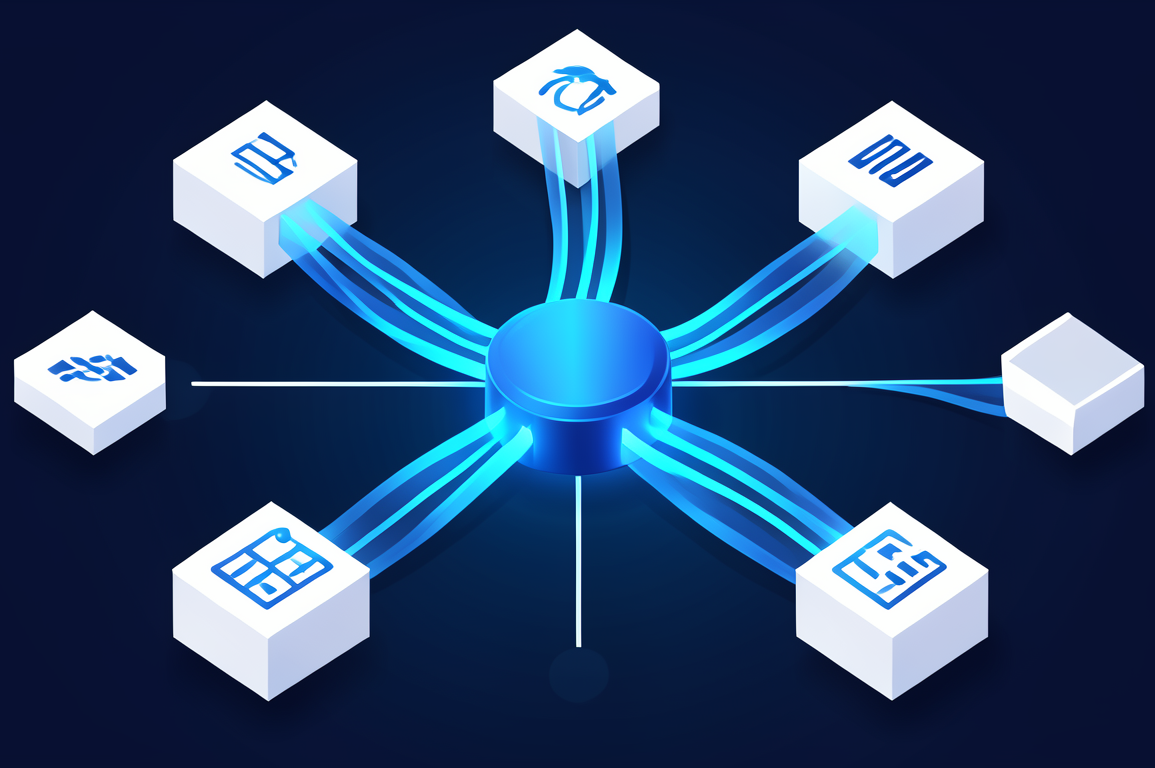

Google has launched Import Memory and Import Chat History features for its Gemini AI assistant, allowing users to transfer conversational data and learned preferences from competing platforms including ChatGPT and Claude, according to reports from The Verge AI and TechCrunch AI.
The functionality, which began rolling out this week, enables users to upload exported conversation files from rival services directly into Gemini, where the system analyses the data to understand user preferences, communication patterns, and contextual requirements. The feature mirrors a similar capability Anthropic introduced for its Claude assistant earlier this year, signalling an emerging battleground in AI platform stickiness.
Users can access the import tools through Gemini’s settings menu, where they upload JSON or text files containing their chat histories from other services. Google’s system then processes these conversations to build a personalised memory profile, though the company has not disclosed the specific data retention policies or processing timelines involved.
The move addresses a critical friction point in AI adoption: platform lock-in through accumulated context. As users invest time training AI assistants to understand their preferences, work style, and domain knowledge, switching costs increase substantially. By lowering this barrier, Google positions Gemini as a more accessible alternative for users considering a platform change.
Enterprise customers stand to gain most significantly from this development. Organisations evaluating multiple AI vendors can now conduct more meaningful comparisons by transferring existing conversational context between platforms, rather than starting fresh with each evaluation. This capability could accelerate enterprise procurement cycles and increase competitive pressure on pricing and feature development.
For Google, the feature represents both offensive and defensive strategy. Offensively, it provides a clear migration path for users of competing services. Defensively, it acknowledges that similar import capabilities from rivals like Anthropic pose a retention risk to Google’s own user base. The company’s willingness to enable bidirectional data portability suggests confidence in Gemini’s competitive positioning.
The timing coincides with Google’s broader push to establish Gemini across its product ecosystem. The company recently integrated Gemini into Google Workspace applications and announced enterprise pricing tiers, indicating a concerted effort to capture business users who have increasingly adopted ChatGPT and Claude for professional workflows.
Privacy implications remain unclear. Google has not specified whether imported conversations are subject to the same data handling policies as native Gemini interactions, nor whether this data contributes to model training. These questions will likely prove critical for enterprise customers bound by data governance requirements.
The feature also highlights the emerging importance of data portability in AI services. As regulatory scrutiny intensifies around AI platforms, particularly in the European Union, the ability to export and import user data may transition from competitive differentiator to compliance requirement. Google’s proactive implementation could position the company favourably as data portability standards evolve.
Market analysts should monitor adoption rates and whether competing platforms respond with enhanced import capabilities or attempt to restrict data exports. Microsoft’s integration of ChatGPT into its enterprise suite and Anthropic’s recent $2 billion funding round suggest intensifying competition for enterprise AI spending, where data portability could prove decisive.
The immediate impact centres on user acquisition costs and switching dynamics. If the import process proves seamless and preserves meaningful context, it could accelerate user movement between platforms and compress the competitive advantages currently enjoyed by first movers. For businesses, the development reinforces the value of maintaining exportable records of AI interactions regardless of platform choice.
Google’s cross-platform memory import capability signals a maturing AI assistant market where interoperability and data portability are becoming competitive necessities rather than optional features, potentially reshaping how enterprises evaluate and deploy conversational AI tools.