


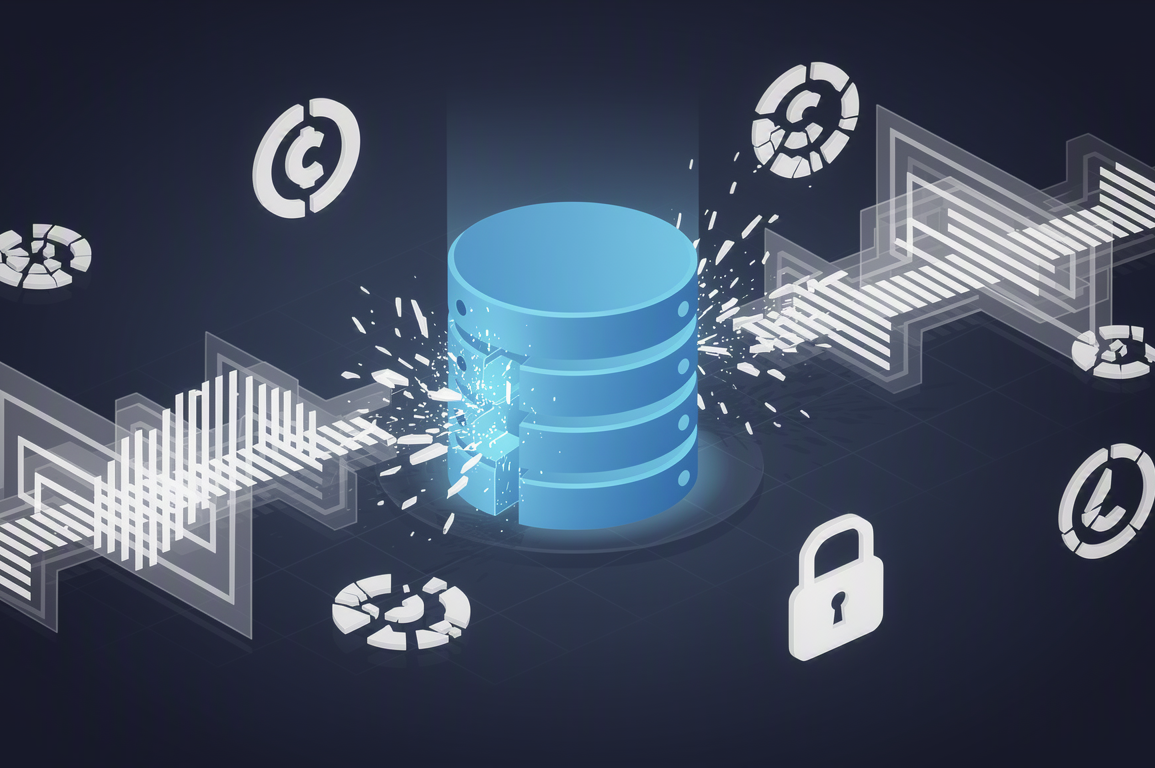

Suno AI, one of the most prominent generative AI music platforms, built its training dataset by scraping millions of copyrighted songs from YouTube, Deezer, and Genius without authorisation or licensing agreements, according to leaked internal data reported by The Verge AI and TechCrunch AI this week.
The leaked documents reveal systematic data collection from major streaming platforms and lyric databases, raising fundamental questions about the legal foundations of AI-generated music and the industry’s approach to intellectual property rights. Suno, which has raised substantial venture capital and markets itself as democratising music creation, has not publicly disclosed the origins of its training data.
The exposed methodology involves automated scraping tools that extracted audio files, metadata, and lyrical content from platforms explicitly prohibiting such use in their terms of service. YouTube’s terms forbid automated downloading of content, whilst Deezer and other streaming services maintain strict policies against data extraction. The scale of the operation—reportedly encompassing millions of tracks—suggests an industrial approach to dataset construction that bypassed conventional licensing channels entirely.
This revelation arrives as the music industry intensifies scrutiny of AI training practices. Major record labels including Universal Music Group, Sony Music, and Warner Music Group have already filed copyright infringement lawsuits against other AI music platforms. The Recording Industry Association of America has repeatedly called for transparency in AI training datasets, arguing that generative models built on unlicensed copyrighted material constitute large-scale infringement.
The business implications extend across multiple stakeholders. Rights holders—artists, songwriters, publishers, and labels—receive no compensation when their copyrighted works train AI models that subsequently generate competing content. Suno’s commercial users, who pay subscription fees to generate music, may face legal exposure if courts determine the output constitutes derivative works of infringed material. Competing AI music platforms that have invested in licensing deals, such as those partnering with stock music libraries, now face competitive disadvantage against services built on unauthorised datasets.
The leaked data contradicts Suno’s previous public statements about its training methodology. Company representatives have previously declined to specify their data sources, citing competitive concerns, whilst emphasising their commitment to legal compliance. The gap between public messaging and revealed practices mirrors controversies surrounding text and image generation models, where companies including OpenAI and Stability AI have faced criticism for opaque training data provenance.
For the broader AI industry, the leak intensifies pressure on the “fair use” defence that many generative AI companies invoke. Legal experts remain divided on whether training AI models on copyrighted material without permission constitutes transformative use protected under copyright law. Several cases currently working through courts will establish precedents, but the scale and deliberate nature of scraping revealed in the Suno leak may complicate fair use arguments.
The timing proves particularly significant as regulators globally develop AI governance frameworks. The European Union’s AI Act includes provisions for transparency in training data, whilst proposed US legislation would require disclosure of copyrighted materials used in AI development. Evidence of systematic unauthorised scraping strengthens the case for mandatory dataset disclosure requirements.
Market analysts note that licensing costs represent a substantial barrier for AI music startups. Legitimate licensing deals with major rights holders typically involve advance payments, per-use royalties, or both—costs that can exceed millions of pounds annually. This economic reality creates powerful incentives for companies to pursue unauthorised training data, particularly in competitive funding environments where demonstrating rapid product development proves essential for investor confidence.
The immediate outlook involves potential legal action against Suno from rights holders, increased regulatory scrutiny of AI music platforms’ training practices, and pressure on venture capital firms to conduct due diligence on portfolio companies’ data sourcing. Rights holders organisations are likely to demand dataset audits across the AI music sector, whilst platforms may face user backlash if legal uncertainties threaten service continuity.
The Suno leak establishes a critical test case for AI industry practices, demonstrating that opacity around training data cannot withstand determined investigation. How courts, regulators, and the market respond will shape the economic viability of generative AI models built on unlicensed copyrighted material across all creative domains.