



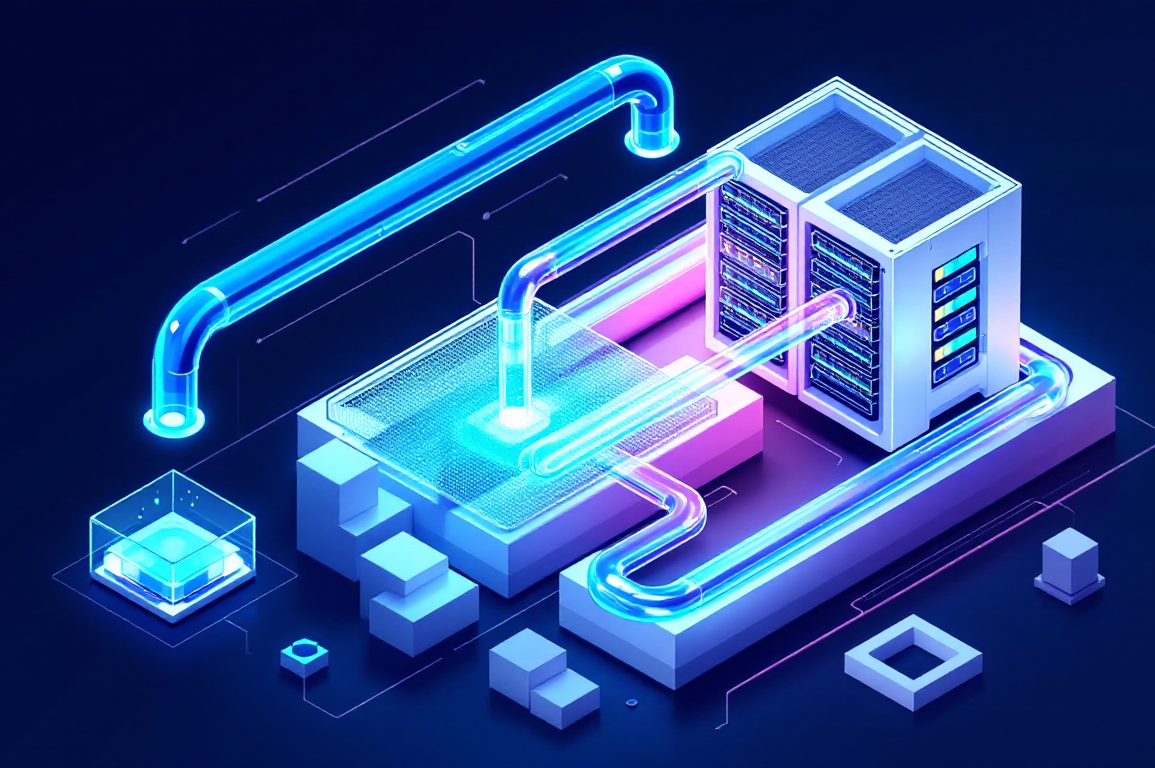

Omen AI has acquired liquid cooling specialist Aquatic Labs for $16 million, according to TechCrunch AI, in a strategic move addressing the mounting thermal management challenges facing AI data centres as compute demands continue to escalate.
The acquisition brings Aquatic Labs’ liquid cooling expertise directly into Omen AI’s infrastructure optimisation platform, combining thermal management capabilities with AI-driven data centre operations. The deal closed in early November 2026, though specific terms beyond the purchase price were not disclosed.
The transaction reflects an emerging infrastructure bottleneck in the AI industry. As training runs grow larger and inference workloads multiply, traditional air-cooled data centre designs increasingly struggle to dissipate heat from densely packed GPU clusters. Liquid cooling systems can handle significantly higher thermal loads per rack, but require specialised engineering knowledge that most AI infrastructure operators lack.
Aquatic Labs has developed proprietary liquid cooling systems designed specifically for high-density compute environments. By integrating this technology with Omen AI’s existing infrastructure management software, the combined entity aims to offer end-to-end solutions for organisations building or expanding AI compute capacity.
The business implications extend across the AI infrastructure stack. Hyperscale cloud providers and enterprise AI teams face mounting pressure to increase compute density without proportionally expanding physical footprint—a challenge where advanced cooling becomes essential rather than optional. Data centre operators who can efficiently manage thermal loads gain competitive advantage in an increasingly supply-constrained market for AI compute capacity.
Equipment manufacturers supplying cooling infrastructure stand to benefit from increased adoption, whilst traditional air-cooling vendors may face margin pressure. For AI model developers, improved cooling economics could translate to lower training costs and faster iteration cycles, particularly for organisations operating their own infrastructure rather than relying solely on cloud providers.
The acquisition also signals vertical integration within AI infrastructure. Rather than partnering with cooling specialists, Omen AI has opted to bring the capability in-house, suggesting the company views thermal management as core to its value proposition rather than a peripheral concern.
This mirrors broader patterns in the AI infrastructure market, where companies are increasingly building full-stack capabilities to control critical dependencies. The $16 million price tag, whilst modest compared to recent AI acquisitions, reflects the specialised nature of Aquatic Labs’ expertise and the relatively early stage of liquid cooling adoption in AI data centres.
Industry observers will watch whether other AI infrastructure providers follow with similar acquisitions. The cooling bottleneck affects the entire sector, and companies lacking thermal management expertise may find themselves at a disadvantage as compute density requirements intensify.
Key indicators include deployment announcements from the combined entity, adoption rates amongst Omen AI’s existing customer base, and whether competitors pursue acquisitions or partnerships in the cooling space. The extent to which liquid cooling becomes standard rather than exceptional in AI data centres will partly depend on whether integrated solutions like Omen AI’s can demonstrate clear economic advantages over traditional approaches.
The acquisition underscores how AI infrastructure challenges extend well beyond chips and algorithms into fundamental engineering domains like thermal management, reshaping competitive dynamics across the technology stack.