


Apple unveiled its artificial intelligence strategy at WWDC with privacy as the central differentiator, introducing Private Cloud Compute to process sensitive queries on proprietary servers rather than third-party infrastructure. Yet the architecture still routes complex requests to Google’s Gemini model, creating strategic tensions between marketing claims and technical reality.
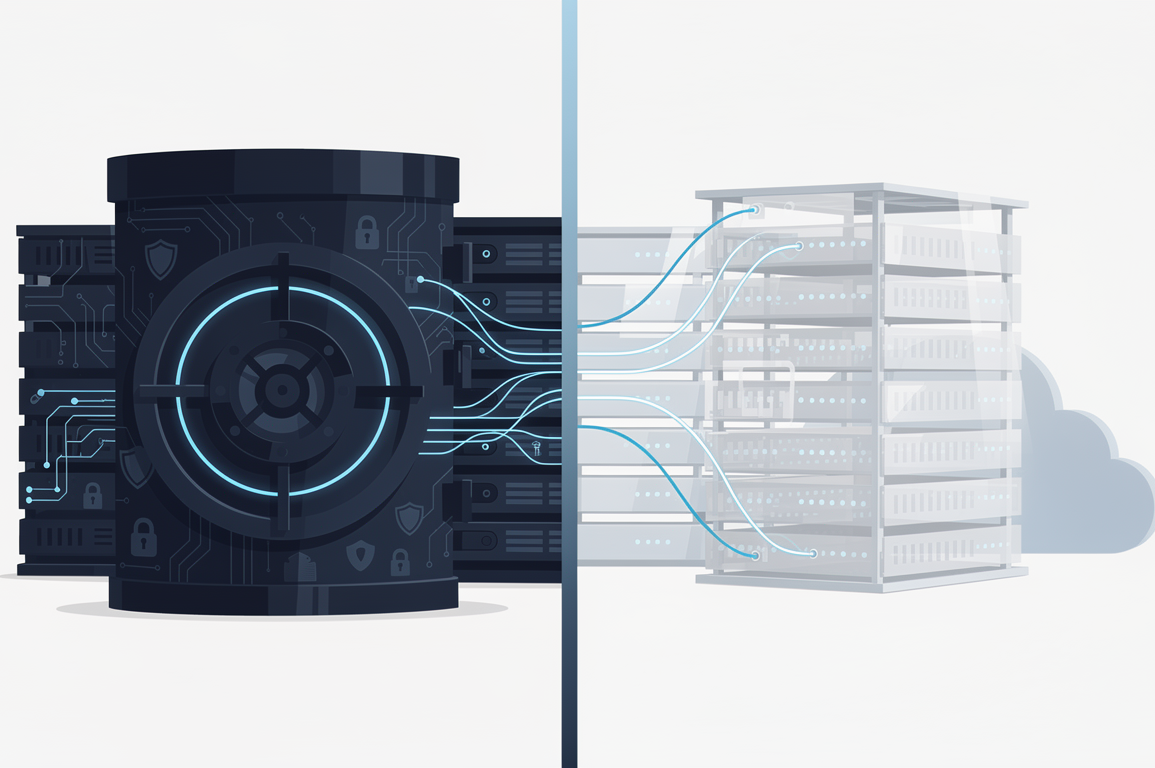
The Cupertino firm’s approach splits AI workloads across three tiers: on-device processing for simple tasks, Apple’s own cloud servers for moderate complexity, and Google’s infrastructure for queries requiring advanced reasoning. This hybrid model positions privacy as a competitive advantage whilst simultaneously acknowledging Apple lacks the computational resources to handle all AI workloads independently.
Private Cloud Compute represents Apple’s attempt to extend its privacy guarantees beyond the device. The company claims these servers use custom silicon, run stripped-down operating systems, and undergo independent security audits. According to technical documentation reviewed by The Verge, the servers don’t retain user data after processing requests and prevent even Apple engineers from accessing query content.
However, the Google partnership introduces complications. When Siri determines a query exceeds Private Cloud Compute capabilities, it requests user permission before forwarding to Gemini. This opt-in mechanism preserves nominal control but fractures the seamless experience competitors offer. Users must decide in real-time whether convenience outweighs privacy concerns—a friction point absent from ChatGPT or Google Assistant.
The business implications cut multiple directions. Apple gains a credible privacy narrative that differentiates it from advertising-dependent rivals, potentially attracting enterprise customers and privacy-conscious consumers. The company avoids billions in infrastructure investment by offloading complex queries to Google, preserving capital for hardware development.
Google secures distribution to Apple’s installed base of over 2 billion active devices, though under constrained conditions that limit data collection opportunities. The search giant reportedly pays Apple $20 billion annually for default search placement; the AI partnership likely involves similar financial arrangements, though terms remain undisclosed.
Competitors face pressure to articulate their own privacy positions. Microsoft and Google process AI queries through centralised cloud infrastructure with less restrictive data policies, creating potential regulatory and reputational vulnerabilities as privacy scrutiny intensifies.
The strategy’s viability depends on whether consumers value privacy sufficiently to accept functional limitations. Early iPhone AI features—writing assistance, photo editing, notification summaries—operate entirely on-device, suggesting Apple will expand local processing capabilities as silicon improves. The A18 chip expected in autumn devices reportedly dedicates substantially more transistors to neural processing, potentially reducing cloud dependence.
Technical observers note Private Cloud Compute’s architecture could establish industry standards if widely adopted. Cryptographic attestation mechanisms that verify server integrity before sending data represent genuine innovations, according to Ars Technica’s analysis. Whether competitors implement similar protections or dismiss them as unnecessary complexity will indicate market demand for privacy infrastructure.
The announcement arrives as regulatory pressure on AI data practices intensifies. The EU’s AI Act imposes transparency requirements on high-risk systems, whilst California considers legislation mandating disclosure of training data sources. Apple’s privacy positioning anticipates this environment, potentially easing compliance burdens competitors will face.
Market observers should monitor three developments: adoption rates for features requiring Google’s infrastructure, indicating whether users accept the privacy trade-off; Apple’s silicon roadmap, revealing timelines for reducing external dependencies; and enterprise customer response, where privacy guarantees carry greater weight than consumer markets. The gap between Apple’s privacy messaging and its operational reliance on Google will either narrow through technical advancement or widen into a credibility problem.