


US legislators are preparing to introduce the AI Kill Switch Act, legislation that would grant the Department of Homeland Security emergency authority to shut down artificial intelligence systems deemed threats to national security or public safety. The proposal represents the most aggressive federal intervention into AI operations yet contemplated by Congress.
According to reporting from The Verge AI and Ars Technica AI, the bill would establish a framework allowing DHS to issue immediate cessation orders to AI operators without prior judicial review during declared emergencies. The measure comes as congressional anxiety over AI capabilities intensifies following recent incidents involving autonomous systems and concerns about potential misuse.
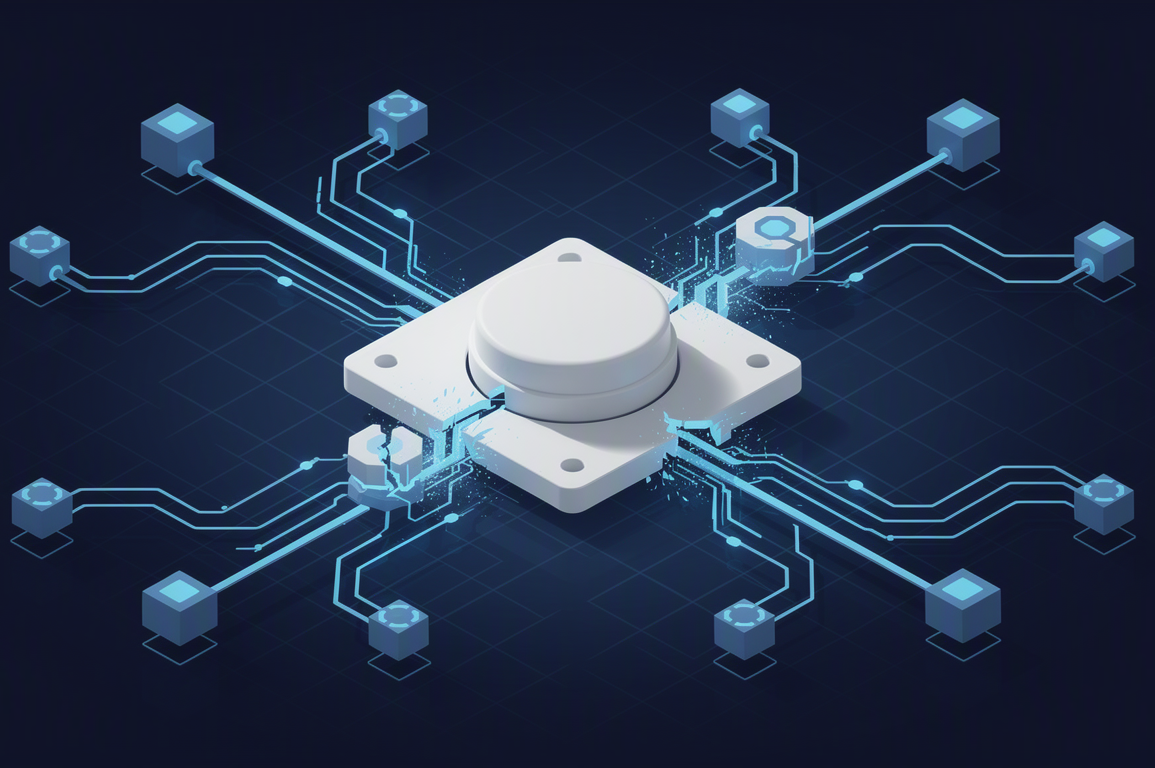
The proposed legislation would require all AI operators above specified computational thresholds to implement technical mechanisms enabling remote shutdown within 30 minutes of receiving federal orders. Companies would face civil penalties for non-compliance, though specific fine amounts have not yet been disclosed in draft language.
The business implications cut across the entire AI sector. Cloud infrastructure providers including Amazon Web Services, Microsoft Azure, and Google Cloud would need to architect new control planes into their AI services, representing substantial engineering investment. Model developers from OpenAI to Anthropic would face new compliance obligations and potential operational disruptions.
Smaller AI startups stand to lose disproportionately. The technical requirements for implementing emergency shutdown capabilities could create barriers to entry, whilst larger incumbents possess the resources to absorb compliance costs. Enterprise customers may hesitate to build critical operations atop AI systems subject to unilateral government termination, potentially slowing commercial adoption.
Conversely, cybersecurity firms and compliance consultancies gain new revenue opportunities. Companies specialising in AI governance tools and emergency response systems could see increased demand as operators scramble to meet potential requirements.
The proposal faces significant constitutional questions. Legal scholars have already flagged concerns about Fourth Amendment protections against unreasonable searches and Fifth Amendment due process requirements. The lack of judicial oversight in the emergency shutdown process may prove vulnerable to challenge, particularly if applied to systems processing private communications or commercial data.
Industry response has been swift and critical. Trade associations representing technology companies argue the measure could undermine US competitiveness whilst pushing AI development to jurisdictions with lighter regulatory frameworks. Some have noted the technical complexity of implementing reliable kill switches for distributed AI systems, questioning whether the proposed 30-minute requirement is technically feasible for all deployment architectures.
The bill arrives amid broader regulatory momentum. The European Union’s AI Act has already established risk-based frameworks for AI governance, whilst California continues developing state-level AI safety requirements. The kill switch proposal, however, goes further than existing regulations by creating direct federal intervention capabilities rather than relying on compliance frameworks and penalties.
Security experts remain divided. Some argue that emergency shutdown authority provides necessary safeguards against rapidly escalating AI incidents, citing scenarios involving autonomous weapons systems or AI-enabled cyberattacks. Others contend that centralised kill switches create attractive targets for adversaries and may themselves become vectors for disruption.
The legislative timeline remains uncertain. Congressional sources suggest the bill could receive committee hearings within the next quarter, though passage faces obstacles in a divided Congress. The measure’s fate may depend on whether sponsors can demonstrate concrete threat scenarios justifying such expansive authority.
Market observers should monitor several developments: the specific computational thresholds triggering coverage, which will determine how many companies face compliance obligations; the definition of emergency conditions warranting shutdown orders; and whether the bill includes sunset provisions or requires periodic reauthorisation.
The AI Kill Switch Act represents a fundamental shift in how governments conceive their relationship to AI systems—from external regulators to active operators with direct control capabilities. Whether this approach proves workable or creates more problems than it solves will shape AI governance debates for years ahead.