



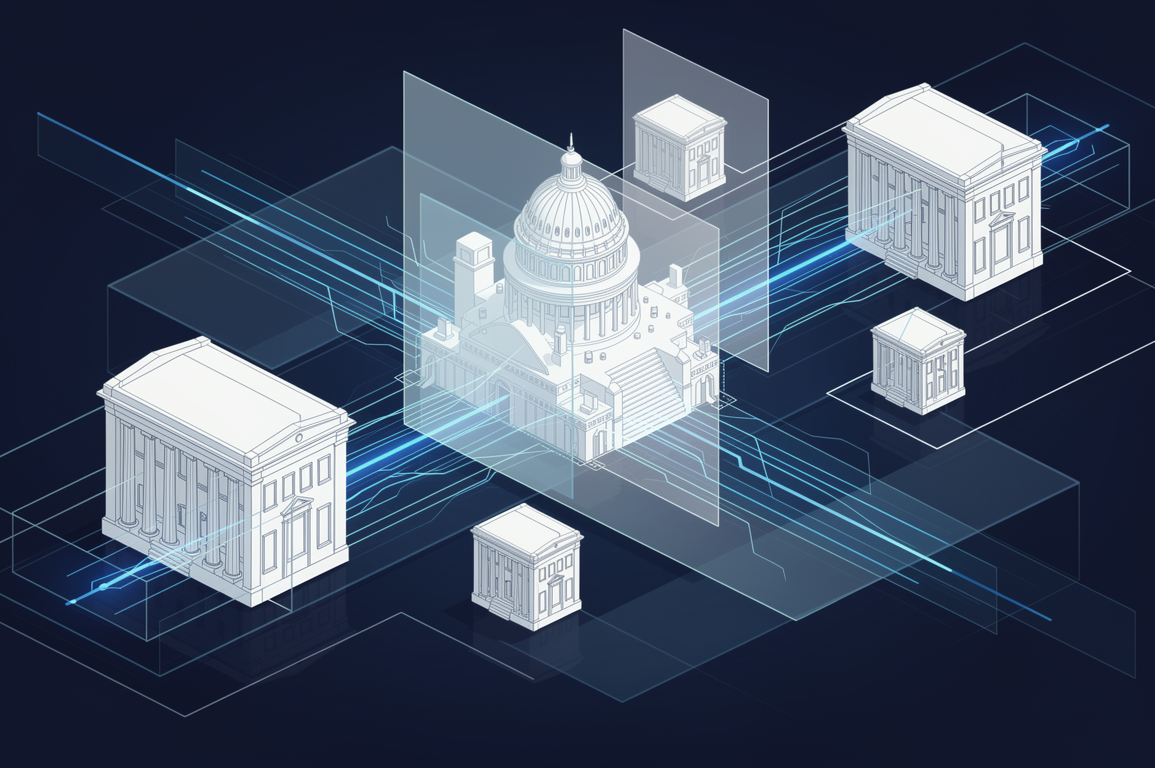

Anthropic has secured backing from US government agencies for its Mythos cybersecurity model, marking a significant shift in the Trump administration’s approach to the AI safety-focused company after months of apparent hostility, according to reports from The Verge AI and TechCrunch AI.
The development represents a notable thaw in relations between Anthropic and federal authorities, who had previously viewed the company’s cautious approach to AI deployment with scepticism. Mythos, designed specifically for cybersecurity applications, appears to have bridged the gap between Anthropic’s safety-first philosophy and government demands for practical AI tools in national security contexts.
The timing proves particularly significant given the administration’s previous criticism of AI companies perceived as prioritising safety concerns over rapid deployment. Anthropic, founded by former OpenAI executives including siblings Dario and Daniela Amodei, has consistently positioned itself as the more cautious alternative in the AI development race—a stance that initially appeared at odds with the current administration’s technology priorities.
Commercial Implications
The government endorsement carries substantial commercial weight for Anthropic. Federal agency adoption typically serves as a validation signal for enterprise customers, particularly in regulated industries such as finance, healthcare, and critical infrastructure where cybersecurity concerns paramount decision-making.
Anthropic’s competitors—particularly OpenAI and Google’s DeepMind—now face pressure to demonstrate equivalent government relationships or risk ceding ground in the lucrative public sector market. OpenAI’s existing partnerships with defence contractors may provide some buffer, whilst Google’s complex relationship with federal agencies following previous controversies around Project Maven could prove disadvantageous.
For enterprise buyers, the development reduces perceived regulatory risk around Anthropic’s technology stack. Companies that had hesitated to commit to Claude-based solutions pending clarity on the vendor’s government standing now have a clearer signal. This matters particularly for organisations in sectors where government procurement decisions influence private sector technology choices.
Technical Positioning
Mythos represents Anthropic’s first publicly acknowledged model designed for a specific vertical application rather than general-purpose use. This strategic shift towards specialised models mirrors broader industry trends, as AI developers increasingly recognise that domain-specific tools often outperform general models in enterprise contexts.
The cybersecurity focus proves strategically astute. Government agencies face mounting pressure to defend against increasingly sophisticated threats, many of which now incorporate AI techniques. A model specifically trained and optimised for defensive cybersecurity applications addresses a clear, urgent need whilst sidestepping some of the more contentious debates around AI safety in other domains.
Anthropic has raised over $7.3 billion in funding to date, with backing from Google, Salesforce, and other major technology investors. The government relationship strengthens the company’s position as it competes against better-resourced rivals.
Regulatory Calculus
The rapprochement suggests Anthropic has successfully navigated a delicate balance: maintaining its safety-focused brand whilst demonstrating practical value to an administration sceptical of what it perceives as excessive caution. This could establish a template for other AI safety-oriented companies seeking government contracts without abandoning their core principles.
However, the arrangement may face scrutiny from AI safety advocates concerned about potential mission drift. Anthropic’s willingness to develop government-specific tools could be interpreted as either pragmatic engagement or concerning compromise, depending on implementation details that remain largely undisclosed.
Market Outlook
Key indicators to monitor include whether other federal agencies follow suit with Mythos adoption, how quickly Anthropic commercialises the model for private sector cybersecurity applications, and whether competitors respond with their own specialised government offerings. The administration’s broader AI policy trajectory, particularly regarding safety requirements and deployment standards, will likely influence how durable this relationship proves.
The Mythos development demonstrates that even in a political environment initially hostile to AI safety concerns, companies can find pathways to government partnership through targeted, practical applications. For Anthropic, the challenge now lies in leveraging this opening without compromising the cautious approach that differentiates it from competitors.