
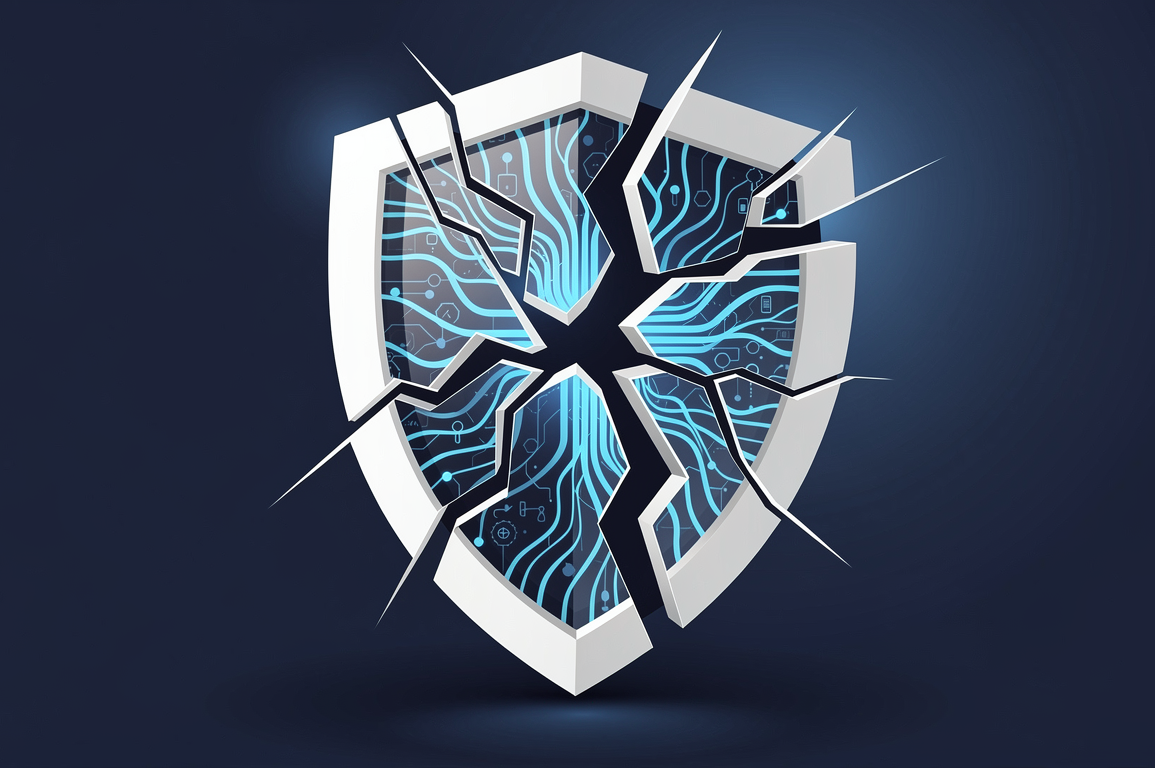

Anthropic is confronting a significant credibility crisis after security researchers leaked Mythos, an experimental AI model the company had withheld from public release citing safety concerns, according to multiple reports from technology publications.
The breach, first reported by The Verge, represents an acute embarrassment for the San Francisco-based AI firm, which has built its brand positioning around responsible AI development and has raised over $7.3 billion in funding partly on the strength of its safety-first messaging.
Anthropic had previously declined to release Mythos publicly, characterising the model as presenting unspecified risks that warranted restricted access. The subsequent unauthorised disclosure by external researchers has now exposed the model to scrutiny, with early assessments suggesting its capabilities may not justify the heightened risk classification Anthropic assigned.
The incident raises uncomfortable questions about how AI companies assess and communicate model risks, particularly when safety claims serve dual purposes as both technical judgements and competitive positioning. For Anthropic, which has differentiated itself from rivals including OpenAI and Google through explicit safety commitments, the breach undermines a core element of its market identity.
Enterprise customers evaluating AI vendors increasingly cite security posture and risk management as primary selection criteria. A company unable to secure its own experimental models whilst simultaneously marketing superior safety practices presents a contradiction that procurement teams are unlikely to overlook. The breach also complicates Anthropic’s relationships with strategic partners including Google, which has invested $2 billion in the company.
The timing proves particularly awkward as regulatory frameworks around AI safety crystallise. The European Union’s AI Act and emerging US state-level regulations rely partly on companies’ own risk assessments to determine compliance requirements. If internal classifications prove unreliable or strategically motivated, the entire regulatory scaffolding faces challenges.
Competitors stand to benefit from Anthropic’s reputational damage. OpenAI, despite its own safety controversies following the November 2023 board crisis, may find enterprise customers more receptive to arguments that safety theatre differs from actual security practices. Smaller AI safety startups could position themselves as more credible alternatives for organisations prioritising genuine risk management over marketing narratives.
The breach also validates critics who have questioned whether AI companies overstate model risks to generate publicity whilst simultaneously underinvesting in basic security hygiene. If Mythos genuinely presented the dangers Anthropic suggested, the failure to prevent its leak would constitute serious negligence. If it did not, the initial risk characterisation appears misleading.
For the broader AI industry, the incident highlights persistent tensions between openness and security, and between genuine safety concerns and competitive positioning. As models grow more capable, distinguishing legitimate risk assessments from strategic communications becomes increasingly important for customers, regulators, and investors.
Anthropic has not yet issued a comprehensive public response addressing how the breach occurred, what security failures enabled it, or whether the company will revise its model risk assessment processes. The company’s handling of the aftermath will prove as significant as the breach itself in determining long-term reputational impact.
Enterprise AI buyers should expect increased scrutiny of vendor security claims in procurement processes, with particular attention to whether safety assertions align with demonstrable security practices. The gap between Anthropic’s positioning and its operational security suggests due diligence must extend beyond marketing materials to technical implementation.
The Mythos breach transforms abstract debates about AI safety credibility into a concrete case study with measurable business consequences, forcing the industry to confront whether safety claims serve primarily as risk management or competitive differentiation.