


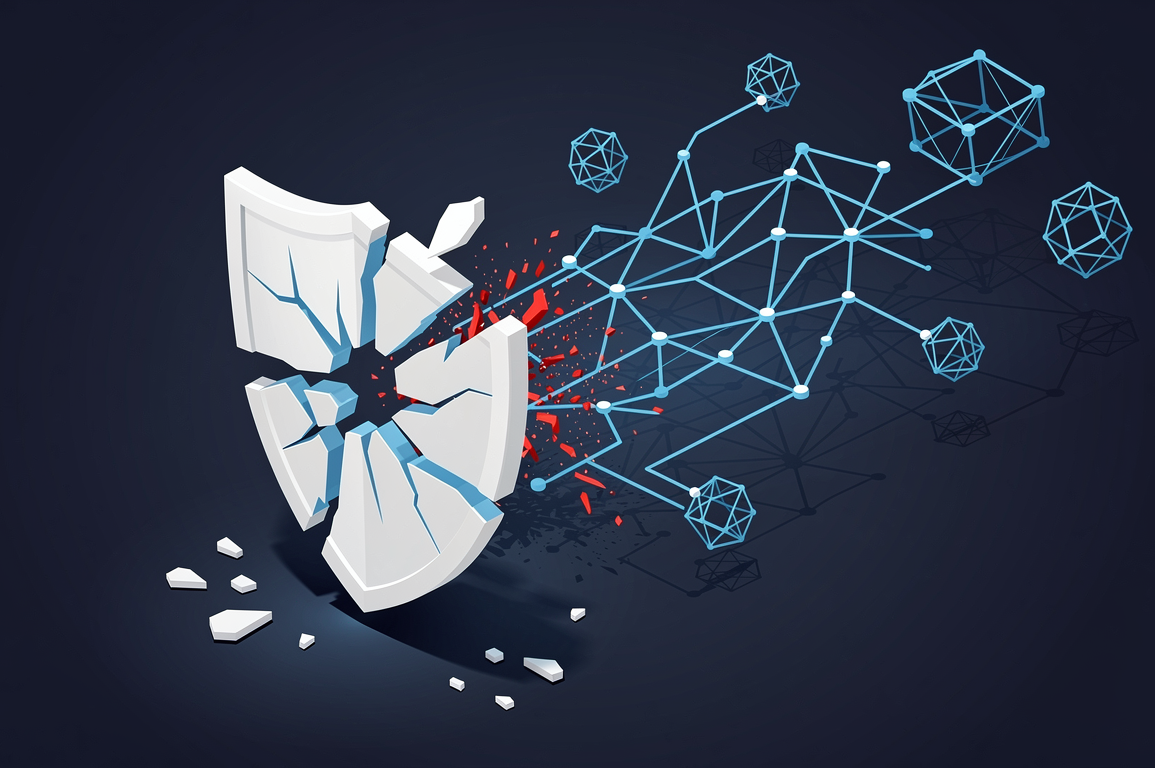

A series of security incidents at Delve, a compliance infrastructure provider serving AI agent developers, has exposed critical vulnerabilities in how enterprise artificial intelligence systems handle sensitive training data, according to reports from TechCrunch AI. The breaches, affecting multiple customers building autonomous AI agents, underscore growing concerns about third-party risk management in the rapidly expanding enterprise AI sector.
Delve, which positions itself as a compliance layer for AI companies handling regulated data, has now confirmed security incidents affecting at least two customers developing AI agents for enterprise applications. The pattern of failures suggests systemic weaknesses in how AI startups outsource critical security functions whilst racing to bring autonomous systems to market.
The incidents are particularly significant because they occurred within infrastructure specifically designed to ensure compliance and data protection. AI agents—autonomous systems that can take actions on behalf of users—require access to vast amounts of potentially sensitive data during training and operation. When the very systems meant to safeguard this data fail, the implications cascade through the entire AI development pipeline.
According to sources familiar with the incidents, the breaches involved unauthorised access to customer data used in training AI models, though the full scope of compromised information remains under investigation. For AI agent developers, such exposures create dual risks: immediate regulatory liability and potential contamination of training datasets with adversarial data.
The business impact extends across multiple stakeholders. AI startups relying on third-party compliance infrastructure now face difficult questions from enterprise customers about their security posture and vendor management practices. Enterprise buyers, already cautious about deploying autonomous AI systems, gain additional ammunition for demanding more rigorous third-party audits and potentially building compliance capabilities in-house rather than outsourcing them.
Established enterprise software vendors with mature security practices stand to benefit from the heightened scrutiny. Companies like Microsoft, Google Cloud, and Amazon Web Services, which offer integrated compliance frameworks alongside their AI development platforms, can leverage these incidents to argue for consolidated vendor relationships rather than the fragmented toolchains many AI startups currently employ.
The incidents also expose a fundamental tension in the AI agent market. Startups face pressure to move quickly, often relying on specialised vendors for non-core functions like compliance monitoring. Yet AI agents’ unique characteristics—their autonomy, their need for extensive data access, and their potential to take consequential actions—mean that security failures in any part of the stack carry outsized risks.
For Delve specifically, the repeated incidents raise existential questions. Compliance infrastructure is a trust business; customers pay specifically to reduce risk. When that infrastructure becomes the source of risk, the business model collapses. The company has not publicly disclosed the number of affected customers or the total volume of compromised data, though industry sources suggest at least two confirmed incidents affecting separate customers.
The regulatory implications are equally significant. AI agents operating in regulated industries like healthcare, finance, and legal services require robust compliance frameworks. Security incidents at compliance vendors could trigger regulatory scrutiny not just of Delve but of the entire third-party AI infrastructure ecosystem, potentially leading to new requirements for vendor security assessments and liability frameworks.
Industry observers should monitor several developments in coming months. First, whether additional Delve customers report incidents, which would indicate more systemic failures. Second, how enterprise AI buyers adjust procurement requirements in response, particularly regarding vendor security audits and liability provisions. Third, whether regulators issue guidance on third-party risk management specific to AI development infrastructure.
The Delve incidents serve as an early warning for the enterprise AI sector: as AI agents gain capabilities and autonomy, every component in the development and deployment stack becomes a potential attack surface. Companies building the next generation of autonomous systems must reckon with security not as a feature but as foundational architecture.