



Microsoft has launched Agent Mode across its Office productivity suite, embedding autonomous AI capabilities into Word, Excel, and PowerPoint that can execute multi-step tasks without continuous human oversight, according to The Verge AI.
The feature, announced this week, represents Microsoft’s most significant integration of agentic AI into core enterprise tools since the introduction of Copilot. Unlike previous AI assistants that respond to individual prompts, Agent Mode can plan and execute complex workflows spanning multiple applications and documents.
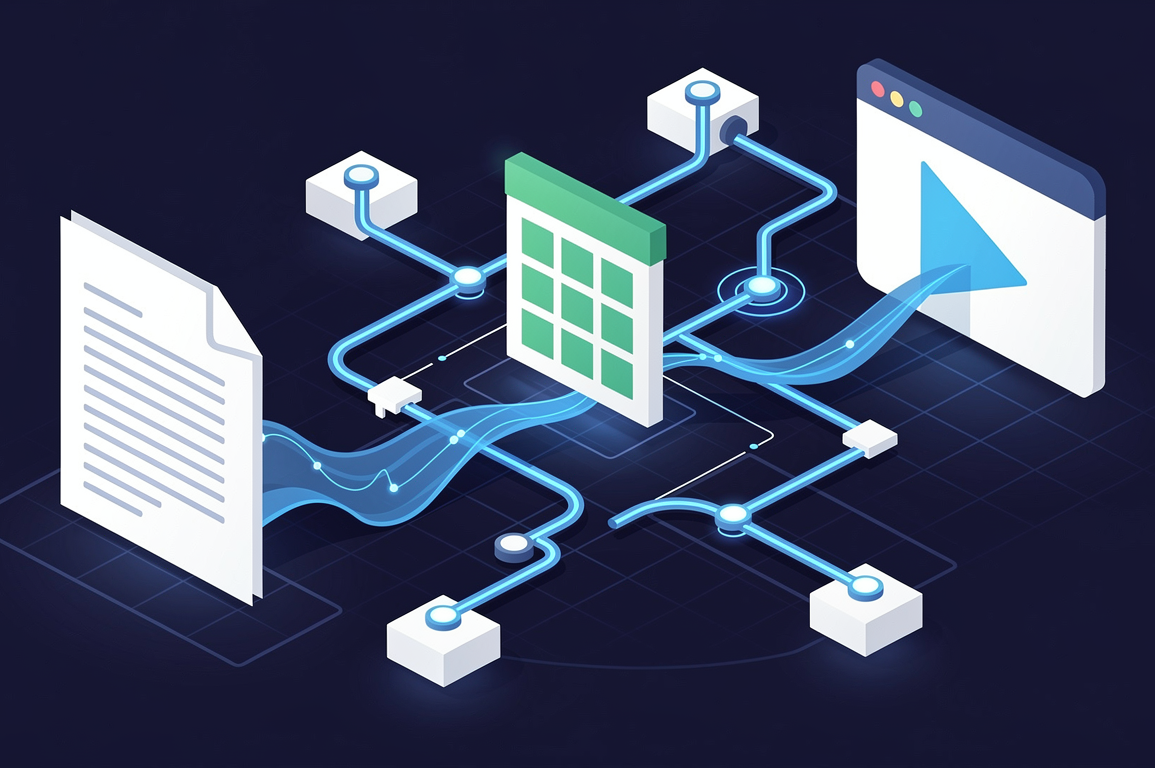
According to the source report, Agent Mode can perform tasks such as analysing spreadsheet data, generating presentation slides based on that analysis, and drafting summary documents—all from a single natural language instruction. The system operates with what Microsoft terms “vibe working,” allowing agents to interpret broad directives and determine appropriate execution paths.
The deployment places Microsoft in direct competition with Google’s Workspace Intelligence, which introduced similar autonomous capabilities earlier this year. Both companies are racing to capture enterprise demand for AI-driven automation as organisations seek productivity gains from large language model technology.
For enterprises, the business implications are substantial. Companies already embedded in the Microsoft 365 ecosystem—which serves more than 400 million commercial users—gain access to automation capabilities without switching platforms or integrating third-party tools. This creates significant switching costs for organisations considering alternatives and strengthens Microsoft’s position in the productivity software market.
Independent software vendors offering workflow automation and robotic process automation tools face increased pressure. If Agent Mode delivers on its promised capabilities, it could commoditise functions currently provided by specialised enterprise automation platforms, potentially eroding their market position.
Google faces the challenge of matching Microsoft’s integration depth whilst maintaining competitive feature parity in Workspace Intelligence. The company’s smaller enterprise market share means it must offer compelling advantages to persuade organisations to migrate from Microsoft’s ecosystem.
The technical architecture matters for deployment. Agent Mode operates within Microsoft’s existing security and compliance framework, a critical consideration for regulated industries. The system maintains audit trails of agent actions and allows administrators to set boundaries on autonomous operations—features essential for financial services, healthcare, and government sectors.
However, the practical effectiveness remains to be demonstrated at scale. Early autonomous AI systems have shown inconsistent reliability with complex, multi-step tasks. Enterprise adoption will depend on Agent Mode’s accuracy rates, error handling, and ability to operate within existing business processes without requiring extensive workflow redesign.
The pricing structure has not been disclosed, but Microsoft’s pattern with Copilot suggests Agent Mode will command premium licensing fees beyond standard Microsoft 365 subscriptions. This creates a tiered market where larger enterprises with budget flexibility gain productivity advantages over smaller organisations operating on constrained software budgets.
Industry observers should monitor several indicators in coming months: enterprise adoption rates among Microsoft’s existing customer base, reported productivity metrics from early deployers, and any service reliability issues that emerge at scale. Google’s response timeline will signal how seriously it views the competitive threat.
Microsoft’s move establishes autonomous agents as standard features in enterprise productivity software rather than experimental additions, accelerating the timeline for widespread workplace AI integration and forcing competitors to match capabilities or risk market share erosion.