



Agility Robotics, the Oregon-based manufacturer of bipedal humanoid robots, has announced plans to go public through a merger with a special purpose acquisition company at a $2.5 billion valuation, according to TechCrunch AI. The transaction will provide the company with approximately $620 million in proceeds to accelerate manufacturing and development of its Digit robot platform.
The SPAC merger represents one of the largest capital raises in the humanoid robotics sector, signalling growing institutional appetite for physical AI infrastructure investments. Agility has positioned itself as a frontrunner in commercial deployment of bipedal robots, with its Digit units already operating in logistics facilities for customers including Amazon and GXO Logistics.
The capital influx arrives as the company scales production at RoboFab, its Salem, Oregon manufacturing facility, which Agility has described as the first factory purpose-built for humanoid robot mass production. The timing suggests management confidence in near-term commercial traction, though the company has not disclosed current revenue figures or production volumes.
SPAC mergers have fallen from favour since their 2020-2021 peak, with many de-SPAC transactions underperforming traditional IPOs. The structure typically allows companies to go public with less regulatory scrutiny than conventional listings, though recent SEC rule changes have narrowed this gap. For Agility, the route provides immediate capital access whilst the broader IPO market remains cautious on pre-revenue or early-revenue technology companies.
The humanoid robotics market has attracted significant venture investment over the past 18 months, with competitors including Figure AI, 1X Technologies, and Tesla’s Optimus programme all pursuing commercial applications. However, technical challenges remain substantial: battery life, dexterity, autonomous navigation in unstructured environments, and cost-per-unit economics all present barriers to widespread adoption.
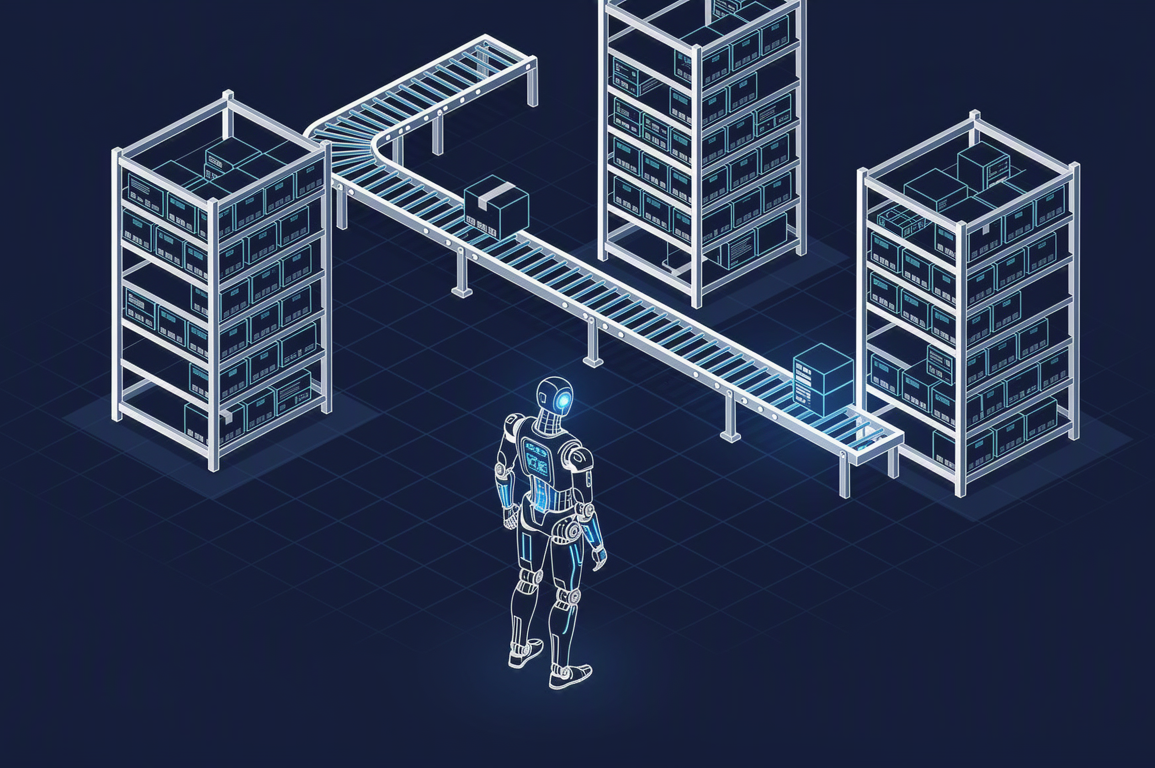
Agility’s focus on logistics and warehouse operations represents a pragmatic go-to-market strategy. These environments offer semi-structured settings where bipedal form factors provide advantages over wheeled robots in navigating infrastructure designed for humans—stairs, narrow aisles, and loading docks. The company has emphasised that Digit is designed to work alongside human workers rather than replace them entirely, though this framing has not quelled labour organisation concerns about automation’s impact on warehouse employment.
The business impact extends beyond Agility itself. Successful public market performance could validate the humanoid robotics category for institutional investors, potentially unlocking follow-on funding for competitors. Conversely, underperformance could dampen enthusiasm across the sector. Component suppliers—particularly those providing actuators, sensors, and AI inference chips—stand to benefit from increased production volumes regardless of which manufacturer achieves market leadership.
For enterprise customers evaluating humanoid robotics deployments, a publicly traded Agility offers increased transparency through mandatory financial disclosures, though it also introduces quarterly earnings pressures that may influence product development timelines. Logistics operators have historically preferred established vendors with proven balance sheets for multi-year automation investments.
The transaction details, including the identity of the SPAC partner, expected closing timeline, and specific use of proceeds beyond general manufacturing and development, have not been disclosed. Investor presentation materials, typically released alongside SPAC merger announcements, would provide crucial insight into Agility’s revenue projections, unit economics, and path to profitability.
Market observers should monitor several indicators in coming months: production ramp timelines at RoboFab, announcements of additional commercial deployments beyond existing customers, and any披露 of per-unit manufacturing costs. The company’s ability to demonstrate improving unit economics whilst scaling production will likely determine whether the public markets validate the $2.5 billion valuation or demand a reset based on nearer-term financial performance.
The Agility transaction underscores a broader shift in AI investment patterns, with capital increasingly flowing toward physical AI applications—robotics, autonomous vehicles, manufacturing automation—after years of concentration in software-centric large language models and computer vision. Whether this capital translates to commercial returns remains the central question facing the humanoid robotics sector.